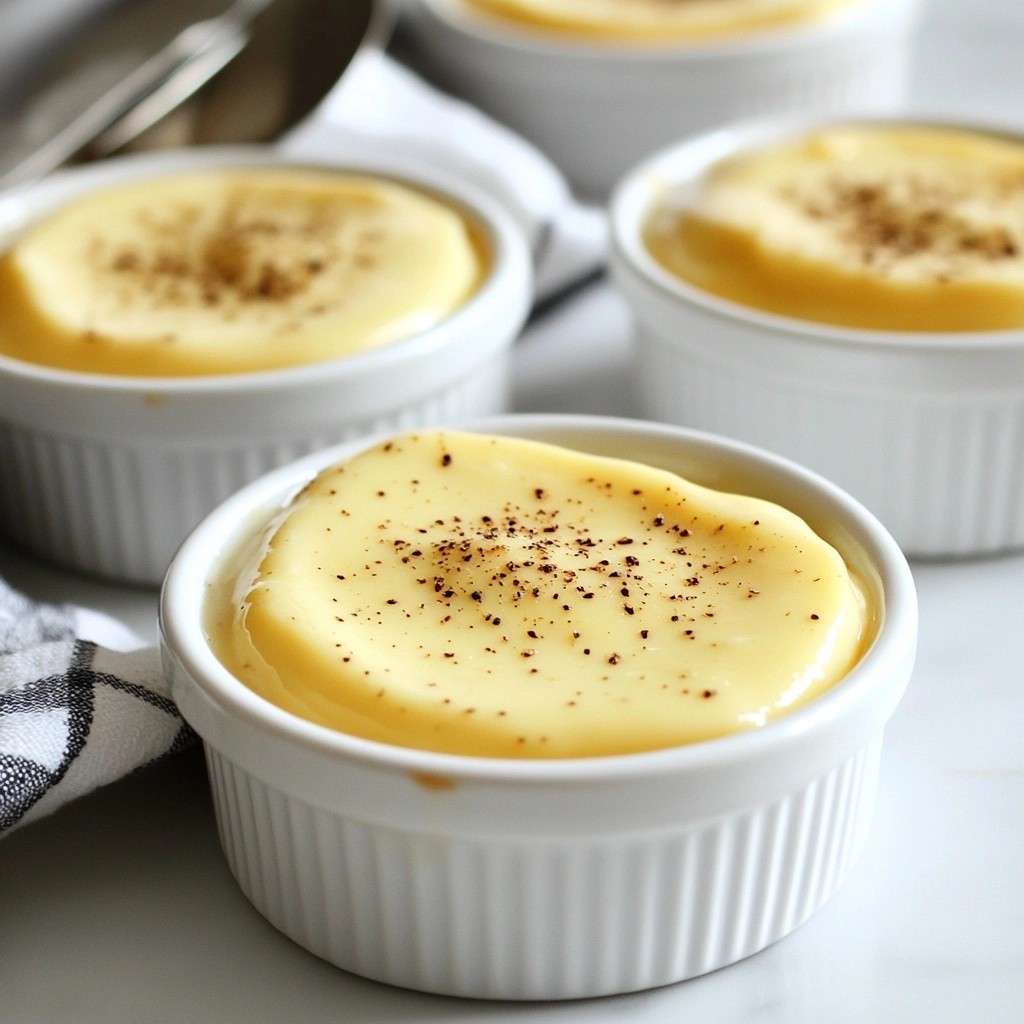
Welcome to a sweet escape into the heart of Southern kitchens. Today, I’ll share my favorite recipe for Old-Fashioned Southern Vanilla Custard with Nutmeg. This rich and creamy custard, with its warm spices, will remind you of grandma's kitchen. Whether you want dessert by itself or as a base for other treats, this recipe hits the spot. Let’s gather our ingredients and whip up this comforting classic together!
Why I Love This Recipe
- Comforting Tradition: This custard recipe captures the essence of Southern comfort food, bringing back nostalgic memories of family gatherings and cozy evenings.
- Simple Ingredients: Made with just a few basic ingredients, this recipe allows the natural flavors of vanilla and nutmeg to shine through without pretension.
- Versatile Dessert: This custard can be enjoyed on its own, used as a filling for pastries, or paired with fresh fruits for a delightful twist.
- Impressive Presentation: Serving this custard in elegant ramekins elevates any occasion, making it a perfect dessert for special gatherings or intimate dinners.
Ingredients
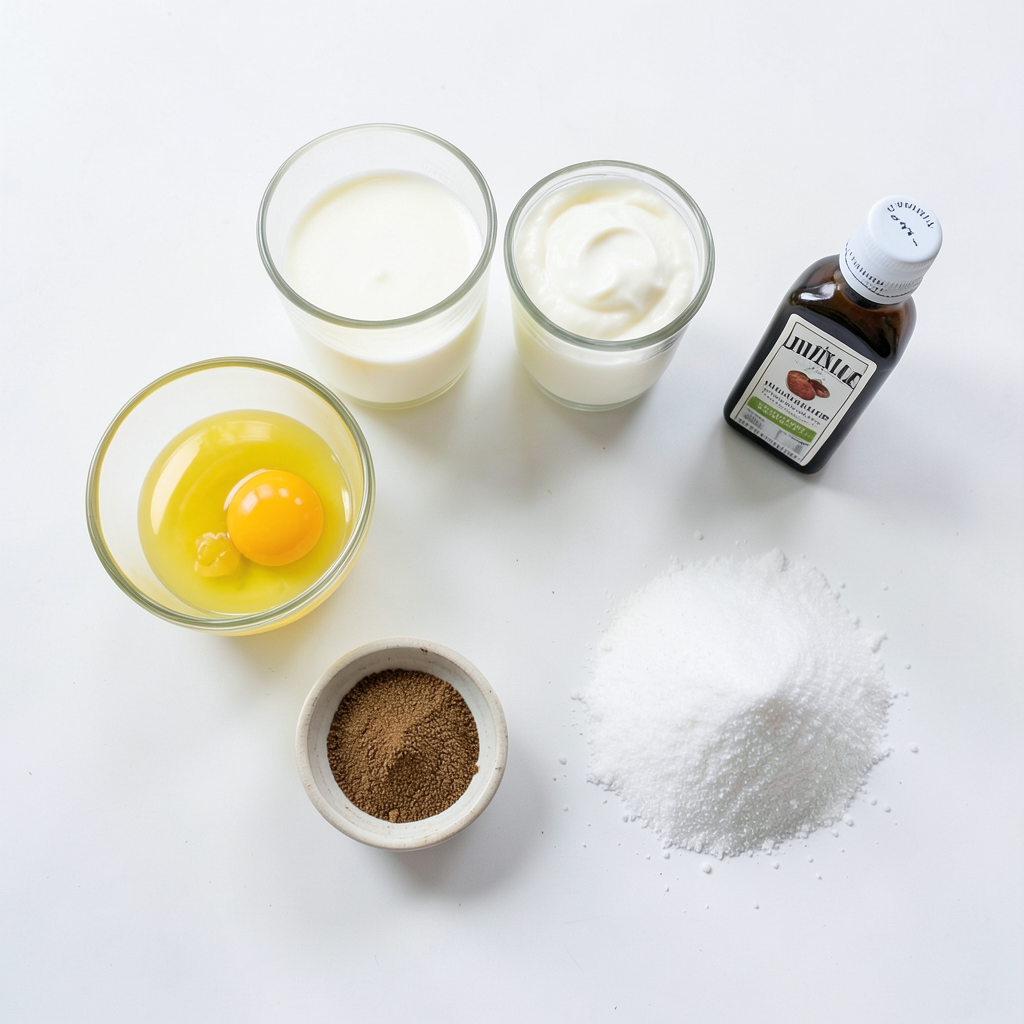
Here are the ingredients you need to make Old-Fashioned Southern Vanilla Custard with Nutmeg. Each item adds flavor and texture to this creamy delight.
- 2 cups whole milk
- 1 cup heavy cream
- 3 large egg yolks
- 1/2 cup granulated sugar
- 1 tablespoon pure vanilla extract
- 1/4 teaspoon ground nutmeg (plus extra for garnish)
- Pinch of salt
Using these ingredients, you create a rich custard that is both smooth and flavorful. Whole milk and heavy cream give it a creamy texture. The egg yolks add richness. Sugar sweetens the custard, while vanilla and nutmeg add warmth and depth. The pinch of salt enhances all the flavors.
Make sure you gather these ingredients before you start. It helps to have everything ready for a smooth cooking process. Each ingredient plays a crucial role in crafting the perfect custard, so don’t skip any.
Step-by-Step Instructions
Preparation and Heating
- Combine 2 cups of whole milk and 1 cup of heavy cream in a medium saucepan.
- Heat over medium-low heat, stirring occasionally until just below simmering. This step is key for a smooth custard.
Mixing the Egg Yolks
- In a mixing bowl, whisk together 3 large egg yolks, 1/2 cup of granulated sugar, and a pinch of salt.
- Whisk until the mixture is pale and creamy, which helps create a rich texture.
Tempering the Eggs
- Slowly pour the warm milk and cream mixture into the egg yolk mixture.
- Whisk continuously to prevent the eggs from scrambling.
- Stir in 1 tablespoon of pure vanilla extract and 1/4 teaspoon of ground nutmeg for flavor.
Cooking the Custard
- Return the mixture to the saucepan and heat over low.
- Stir constantly with a wooden spoon until the custard thickens and coats the back of the spoon, about 8-10 minutes.
- Do not let it boil to ensure a smooth custard.
Straining and Cooling
- Remove from heat and strain the custard through a fine-mesh sieve into a clean bowl.
- This removes any curdled bits for a silky finish.
- Cover the bowl with plastic wrap, pressing it directly onto the surface of the custard to prevent a skin from forming.
- Refrigerate for at least 2 hours until chilled.
- Once chilled, whisk the custard again to keep it smooth and creamy.
Tips & Tricks
Achieving Perfect Consistency
To make the best custard, keep the heat low. High heat cooks the eggs too fast, causing lumps. Look for a smooth texture that coats the back of a spoon. This means your custard is ready.
Avoiding Common Mistakes
To prevent scrambled eggs, mix the warm milk and cream slowly with the egg yolks. Whisk constantly while adding the hot liquid. If your custard curdles, don't worry. You can blend it smooth again, or strain it through a sieve.
Presentation Tips
Serve your custard in small ramekins or dessert cups. This adds charm to your dish. For extra flair, sprinkle fresh nutmeg on top. A sprig of mint or a dollop of whipped cream makes it look even better.
Pro Tips
- Use Fresh Nutmeg: Freshly grated nutmeg elevates the flavor of the custard significantly compared to pre-ground nutmeg.
- Temperature Control: Always heat the milk and cream gently to avoid curdling the eggs during the tempering process.
- Straining is Key: Straining the custard ensures a silky-smooth texture by removing any curdled bits that may have formed.
- Chill Properly: Allow the custard to chill completely in the refrigerator for the best flavor and texture before serving.
Variations
Flavor Additions
Want to mix things up? You can create different flavors of custard. For a chocolate custard, add melted chocolate. Just stir it in after cooking. It gives a rich taste and a lovely color. You can also try spiced variations. Adding cinnamon or allspice makes a warm, cozy flavor. Just a pinch can make a big difference!
Dairy-Free Options
If you need a dairy-free custard, don't worry! Coconut milk custard works great. Use coconut milk instead of whole milk and cream. It adds a sweet, tropical taste. Almond milk is another option. It gives a lighter flavor. Just follow the same steps as the original recipe.
Serving Suggestions
Think about how to serve your custard. It pairs well with fresh fruits like berries or peaches. You can also serve it with desserts like pie or cake. For something fun, use the custard in layered desserts or trifles. Layer the custard with cookies or fruit in a glass. It makes for a beautiful presentation!
Storage Info
How to Store Custard
To keep your delicious custard fresh, store it in the fridge. Use an airtight container to prevent any odors from getting in. Make sure to cover the custard with plastic wrap. Press the wrap directly onto the surface of the custard. This will stop a skin from forming. You can enjoy the custard for up to three days in the fridge.
Freezing Tips
Can you freeze custard? Yes, you can! However, it can change in texture. To freeze custard, pour it into a freezer-safe container. Leave some space at the top because it will expand. Seal the container tightly. You can freeze custard for up to two months.
To thaw custard, move it to the fridge overnight. Stir it well after thawing to bring back its creamy texture. If it feels grainy, whisk it vigorously until smooth. Enjoy your custard as a sweet treat!
FAQs
What’s the difference between custard and pudding?
Custard and pudding both use milk and sugar. Custard has eggs, while pudding does not. This key difference gives custard a thicker and creamier texture. Custards often bake, like flan or crème brûlée, while puddings are usually cooked on the stove.
Can I use low-fat milk instead of whole milk?
You can use low-fat milk, but the custard may not be as rich. Whole milk adds creaminess and flavor. If you want a lighter version, consider mixing low-fat milk with a bit of cream. This mix helps maintain a smooth texture.
How long does custard last in the fridge?
Custard stays fresh for about three to four days in the fridge. Store it in an airtight container. Make sure to cover the surface with plastic wrap to avoid a skin forming. If you notice any off smells, it's best to throw it away.
Can I make custard without eggs?
You can make custard without eggs, but it won't have the same texture. Try using cornstarch or silken tofu as a thickener. These alternatives create a custard-like feel while keeping it egg-free. You can also explore vegan custard recipes for more ideas.
This blog post outlined how to make creamy custard with simple ingredients. You learned preparation steps, like heating milk and mixing egg yolks. We covered tips for consistency and how to avoid mistakes. Variations add fun flavors, and storage info helps keep custard fresh. Remember, custard is versatile and can suit many tastes. Enjoy your homemade custard as a dessert or in treats. With practice, you'll master this delightful dish!